
Reading disorder Causes, symptoms and new treatments in neuralgia

To get an appointment, call 66565325(021).
Reading disorder | Causes, symptoms and new treatments at Nourali Clinic
- Diseases and disorders
- »
- Reading disorder
- »
- Reading disorder | Causes, symptoms and new treatments in Nourali Clinic
- Author: Mostafa Asgari Nejad
- Category: reading disorder
The main headings of this content


The ability to read is the cornerstone of successful education and interaction in today's world, but some people face serious obstacles in learning this vital skill. This challenge, often referred to as dyslexia, is a neurodevelopmental difference that affects language processing and should not be confused with laziness or lack of intelligence. Timely recognition and correct treatment to deal with reading disorder is the key for people to reach their full potential in school, workplace and daily life.
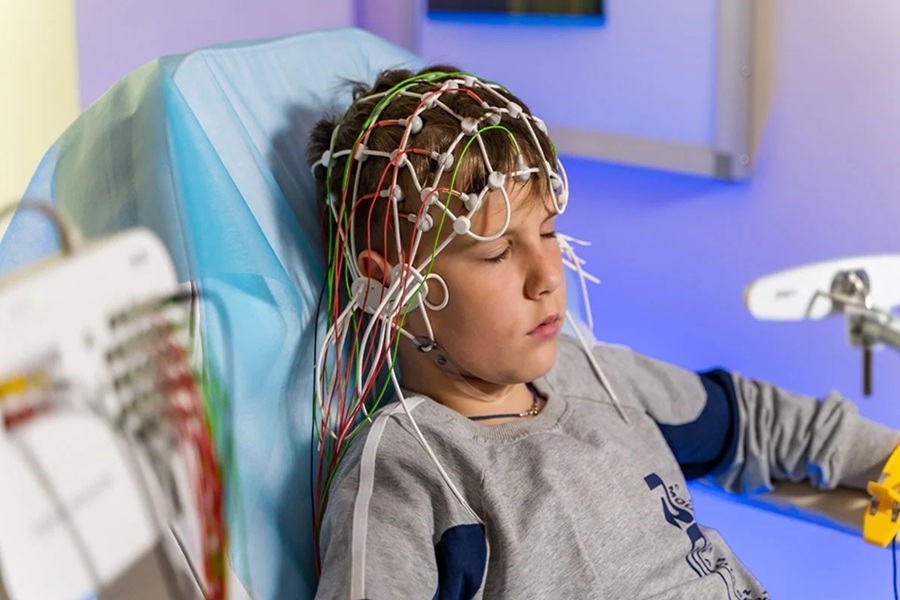
What is meant by reading disorder?
Reading disorder is a specific learning disability (Specific Learning Disability) that is rooted in brain function and basically affects a person's ability to decode words. Research shows that this disorder mostly occurs due to differences in phonological processing in the cerebral cortex. In simpler terms, the brain has trouble communicating between written letters (graphemes) and their corresponding sounds (phonemes). This difference in the area of the brain responsible for converting visual language into auditory language (such as Wernicke's area), makes learning to read a serious challenge.
The most important signs of reading disorder
Early diagnosis of reading disorder can have a significant impact on academic success and self-confidence of a person. The symptoms of this condition appear in different ways at different ages and in different people. Although no two people experience this disorder exactly the same, there are some common behavioral and cognitive patterns that parents and educators should be aware of. In the following, we discuss three of the most obvious signs that can help you better identify this challenge.
Problems in recognizing sounds and letters
One of the main problems of affected people is the difficulty in phonological awareness, which means they cannot identify and manipulate the small sounds that make up words. They have trouble distinguishing words that sound alike (like "in" and "on") or combining sounds to make a word. Sometimes this challenge is accompanied by conditions such as attention deficit or even hyperactivity (ADHD), which makes diagnosis more difficult, but the main focus of these people is on the inability to convert visual symbols into audio language.
Symptoms of this section include:
- Difficulty in rhyming: Inability to recognize or make words that have the same sound
- Transposition of sounds: Mixing up the order of sounds in words (like saying "lep" instead of "bridge")
Slowness and many errors in reading the text
Reading for these people is often very slow, with frequent pauses and many errors, indicating that the brain is trying too hard to decipher each word rather than reading fluently. This situation is called slow and laborious reading (Dysfluent Reading), which causes rapid reader fatigue and directly affects reading comprehension. If your child experiences severe anxiety while reading long texts or constantly guesses words, take the possibility of a reading disorder seriously.
Difficulty in spelling and writing words
Spelling difficulties and writing failure, sometimes called dysgraphia, are highly correlated with reading disorders. These people have difficulty remembering the sequence of letters as well as reproducing them when writing. They often misspell common words, omit or transpose letters, or use the phonetics of words to write. This challenge can continue in adulthood and affect academic and professional performance.

The signs of this challenge are:
- Writing letters in reverse: writing "b" instead of "d" or reversing some numbers
- Visual Error: Inability to recognize your common spelling mistakes after writing a text
Advanced and key methods for the treatment of reading disorder
Fortunately, with significant advances in the field of neuroscience, today there are several treatment methods to help people with reading disorders that go beyond traditional educational interventions. The main goal of these methods is to change unhealthy brain patterns and strengthen the neural pathways responsible for reading and concentration. In the following, we discuss four of the most practical specialized treatments that can be effective in reducing the symptoms of learning disorders.Neurofeedback to improve concentration
Neurofeedback is a brain training method that teaches a person to regulate his brain activity. In the treatment of reading disorders, this method focuses on strengthening the brain waves associated with sustained attention and information processing. Since most of these people have difficulty maintaining attention and concentration for a long time (especially when reading) and sometimes show symptoms similar to hyperactivity, neurofeedback can help improve the executive functions of the brain and thus increase the speed and accuracy of reading.
Cognitive Behavior Therapy (CBT Therapy) and stress management
Reading disorders can lead to frustration, anxiety, and low self-esteem, especially when a person is compared to their peers in the educational environment. Cognitive behavioral therapy or CBT is a psychotherapy approach that helps people identify and change their negative thought patterns. This treatment is very useful for managing performance anxiety caused by reading and strengthening coping mechanisms against everyday challenges.
Magnetic Brain Stimulation (rTMS)
Repetitive Transcranial Magnetic Stimulation or rTMS is a non-invasive method that uses magnetic fields to stimulate neural cells in specific areas of the brain. In the case of reading disorder, this method can be used to regulate the activity of the temporal lobe and frontal regions, which are involved in language processing and phonological communication. rTMS can help increase neuroplasticity and rebuild damaged brain pathways.
Biofeedback
Biofeedback is a therapeutic method that allows a person to control the physiological functions of the body, such as heart rate, muscle tension or skin temperature, which are usually unconscious. Since stress and anxiety caused by reading disorder can cause over-arousal of the nervous system, biofeedback helps a person learn how to be more relaxed when faced with reading tasks by reducing physical tension. This method is especially effective for controlling stress responses that can mimic symptoms of hyperactivity.

Treatment of reading disorder at Neurali Clinic
Reading disorder is not a personality defect, but a neurobiological challenge that can be managed and improved with scientific and specialized tools. By combining educational, cognitive and neurotherapy treatments, the neural pathways can be rewritten and the individual's abilities to deal with this disorder can be greatly strengthened. Nourali neurology clinic is ready to provide services to you dear ones by using the most up-to-date diagnostic and treatment technologies. If you or your loved ones are facing learning challenges or reading disorder symptoms, don't waste time and contact us for a detailed evaluation and formulation of a personalized treatment plan.
FAQ
How common is reading disorder (Dyslexia)?
This disorder is relatively common and it is estimated that it affects about 10-20% of the world's population.
If my child has a reading disorder, does it mean he also has ADHD?
No, these two disorders are separate but often overlap; About one third of children with reading disorders also show symptoms of hyperactivity.
Does reading disorder resolve itself with time or practice?
No, reading disorder is a neurological difference that cannot be resolved without specialist intervention. Timely treatment can minimize its impact and improve skills.
Rate this article
Make an appointment online
Click on the button below to receive an appointment.
021-66565325Receive a phone appointment
مقالات دیگر از Dr. Melika Akbari Mehr

درمان اضطراب با نوروفیدبک | روشی موثر برای دستیابی به آرامش پایدار
برای دریافت نوبت با شماره 66565325(021) تماس بگیرید. درمان اضطراب با نوروفیدبک | روشی موثر برای دستیابی به آر...

درمان اضطراب با rTMS | راهکاری نوین برای آرامش پایدار
برای دریافت نوبت با شماره 66565325(021) تماس بگیرید. درمان اضطراب با rTMS | راهکاری نوین برای آرامش پایدار...

درمان اعتیاد با rTMS | خداحافظی با وسوسههای آزاردهنده مواد
برای دریافت نوبت با شماره 66565325(021) تماس بگیرید. درمان اعتیاد با rTMS | خداحافظی با وسوسههای آزاردهنده م...

درمان افسردگی با rTMS | درمانی موثر برای بازگشت امید به زندگی
برای دریافت نوبت با شماره 66565325(021) تماس بگیرید. درمان افسردگی با rTMS | درمانی موثر برای بازگشت امید به...

درمان افسردگی با نوروفیدبک | تنظیم امواج مغزی بدون نیاز به دارو
برای دریافت نوبت با شماره 66565325(021) تماس بگیرید. درمان افسردگی با نوروفیدبک | تنظیم امواج مغزی بدون نیاز...

درمان میگرن با نوروفیدبک | روشی نوین برای رهایی از سردرد
برای دریافت نوبت با شماره 66565325(021) تماس بگیرید. درمان میگرن با نوروفیدبک | روشی نوین برای رهایی از سردرد...

درمان پانیک با rTMS | راهکاری نوین برای غلبه بر حملات هراس
برای دریافت نوبت با شماره 66565325(021) تماس بگیرید. درمان پانیک با rTMS | راهکاری نوین برای غلبه بر حملات هر...

درمان وسواس با rTMS | خداحافظی همیشگی با وسواس فکری و عملی
برای دریافت نوبت با شماره 66565325(021) تماس بگیرید. درمان وسواس با rTMS | خداحافظی همیشگی با وسواس فکری و عم...

درمان دوقطبی با rTMS | انقلابی در کنترل نوسانات خلقی
برای دریافت نوبت با شماره 66565325(021) تماس بگیرید. درمان دوقطبی با rTMS | انقلابی در کنترل نوسانات خلقی...

درمان میگرن با rTMS | درمانی غیر دارویی و تاثیرگذار
برای دریافت نوبت با شماره 66565325(021) تماس بگیرید. درمان میگرن با rTMS | درمانی غیر دارویی و تاثیرگذار...

هزینه نوروفیدبک در تهران | عوامل موثر بر قیمت نوروفیدبک
برای دریافت نوبت با شماره 66565325(021) تماس بگیرید. هزینه نوروفیدبک در تهران | عوامل موثر بر قیمت نوروفیدبک نوروفیدبک»هزینه نوروفیدبک در تهران | عوامل موثر بر قیمت نوروفیدبک...

آرامش ذهن و افزایش تمرکز با متد درمانی نوروفیدبک در تهران
برای دریافت نوبت با شماره 66565325(021) تماس بگیرید. آرامش ذهن و افزایش تمرکز با متد درمانی نوروفیدبک در تهران نوروفیدبک»آرامش ذهن و افزایش تمرکز با متد درمانی نوروفیدبک در ته...

SEO site management services
Search engine optimization (SEO) services help you to rank your website higher in the search results of Google and other search engines.

Implementation of branding and digital advertising
Digital branding means creating a strong and distinctive brand in the digital space for a company or a specific product. This process involves using digital methods and strategies to build and strengthen the brand.

Website design for companies and businesses
Website design for companies and businesses can help you have a stronger online presence and attract more customers. Contact us for more information.
